• 1 Post
  • 37 Comments
Joined 11 months ago
cake
Cake day: June 4th, 2025

help-circle

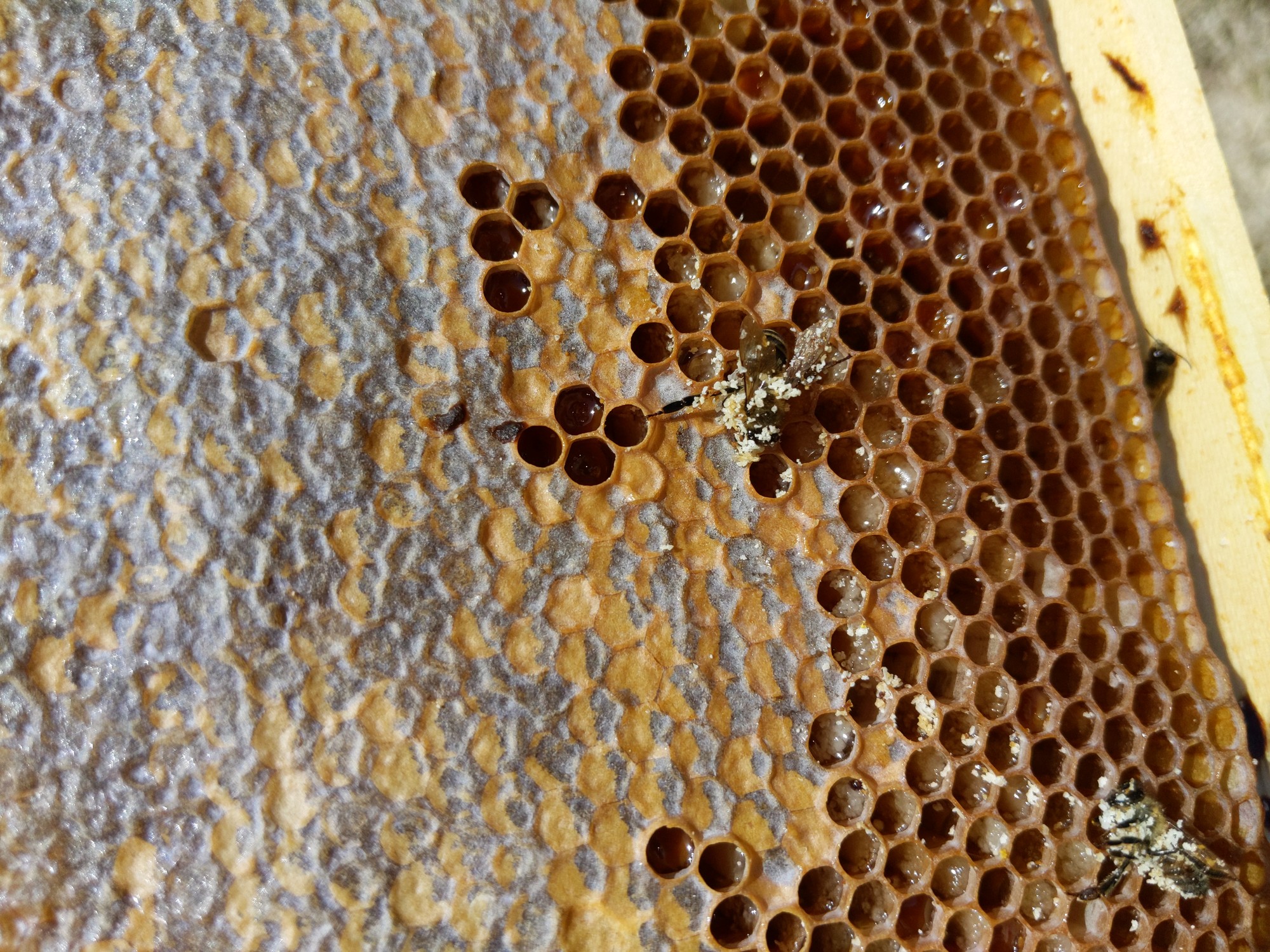
  • I’ll assume you meant winter. It’s my first winter with bees, so I don’t have much any experience. I’m glad these survived, and I resent that mouse that ate my 3rd hive (or whatever it did in there).

    I’ve heard that bees will shiver themselves warm enough, if they have food. Therefore, they need to have food, obviously, and lots. I also hear that moisture is more dangerous to bees than cold.

    Which reminds me, I really should read a beekeeping book cover-to-cover, instead of just picking up pieces of lore as I go…



  • Which process? Cleaning? My hives are about 2x bigger than necessary, so I have room to shift stuff.

    1. Light up the smoker. Scare them with lots of smoke. Not sure why this works - there are different hypotheses around.
    2. Sweep the floor in the spare end of the hive
    3. Remove ceiling boards. Take out frames, brush off the corpses. Reinsert them into the spare end. Stay calm as they buzz around me like crazy. Move slowly and avoid jostling them. This part requires the most of dull.
    4. Sweep the other end of the floor, which used to be under the frames
    5. Poke dead bees out of the entrance
    6. Move all frames back to their preferred locaticon


  • Step 1: be psychologically prepared to break it all. Don’t depend on your services, at first, and don’t host stuff for others, for the same reason.

    Yunohost? Good for trying out stuff, I suppose. I haven’t tried it myself. You could also try Debian, Alpine, or any other. They’re approximately equivalent. Any differences between distros will be minuscule compared to differences between software packages (Debian is much more similar to Alpine than Nextcloud to Syncthing).

    4GB of RAM? Don’t set up a graphical interface. You don’t need a desktop environment to run a server. Connect to it via SSh from your regular PC or phone. Set up pubkey auth and then disable password auth.

    I recommend setting up SSH login first, then a webserver serving up HTTP, only, accessible via IP address.

    Next comes DNS - get a name at https://freedns.afraid.org/

    Then add HTTPS, get the certs from LetsEncrypt.

    Finally, Nextcloud. It runs kind of “inside” your webserver. Now you can back up your phone, and share photos with family, etc.