

cross-posted from: https://lemmy.world/post/54245880
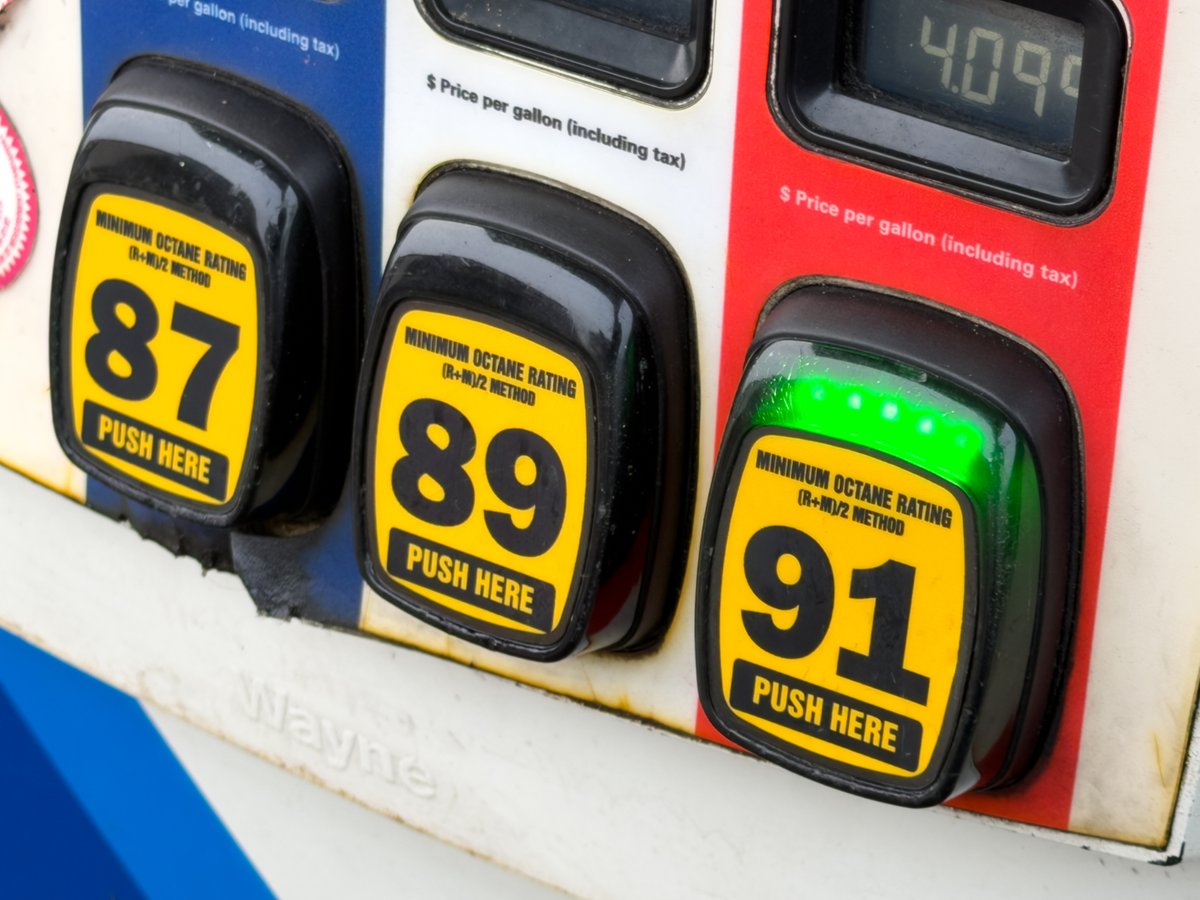
The U.S. war with Iran has raised fossil fuel prices so much that the resulting drop in oil demand has put the world on track to see a rare dip in carbon emissions from these sources in 2026.
Between 2019 and 2025, carbon dioxide emissions from fossil fuels grew by about 0.8 percent annually, according to a new study published in Nature Climate Change. But 2026 is set to buck that trend: high oil prices, as well as the continued rise of green technology—solar power, wind and electric cars—will cause a “short-term” 0.4 percent drop, according to the study.
“The high petrol prices following the war in Iran are reducing oil use and keeping emissions low,” says the study’s lead author Corinne Le Quéré, a professor of climate change science at the University of East Anglia in England. “But that’s not the whole story: The expansion of renewable energy has progressed a lot in recent years, led by China. And [along with electric vehicles], this is offsetting two thirds of the growing demand for energy.”
With all sources of carbon considered, including deforestation, total global CO2 emissions are set to continue increasing.
Cut the subsidies they get, and put an environmental tax on its use. The problem is a lot of that will be passed to consumers and it will hit individuals more, so once again large companies won’t notice.
That’s the point though. When they pass the costs on to consumers, we significantly reduce our fossil fuel usage, and actively seek out alternatives.
I’m sure all of the poor people would take the bus if we had any buses.
There would be pain, especially among those who can least afford it, but pain drives change. Pain drives improvement. Why are we trying to prop up harmful industries when we know there’s something better do close we can practically taste it. How is it helping anyone to prolong the agony ?
It’s time to rip that bandage off. Force politicians and manufacturers to listen to the yelps. Heal those injuries, by moving more quickly to something that’s actually better
Poor people need to get to work so they can continue to eat. If you rip off that bandaid, you have a lot of starving poor people.
True enough, if they can change. Not everyone can buy a replacement EV or put up some solar panels, they just have to use the same things they have now at a higher cost. The transition is the issue, and a transition without a way to help those hit hardest will hurt. But you’re right, demand goes down either way.
Sadly we used to have a carbon tax, but we had to appease the morons.
Creating carbon credits didn’t help. Traded like baseball cards, or more often “lost” in the shuffling around of buying more carbon producing time.