

cross-posted from: https://lemmy.world/post/54245880
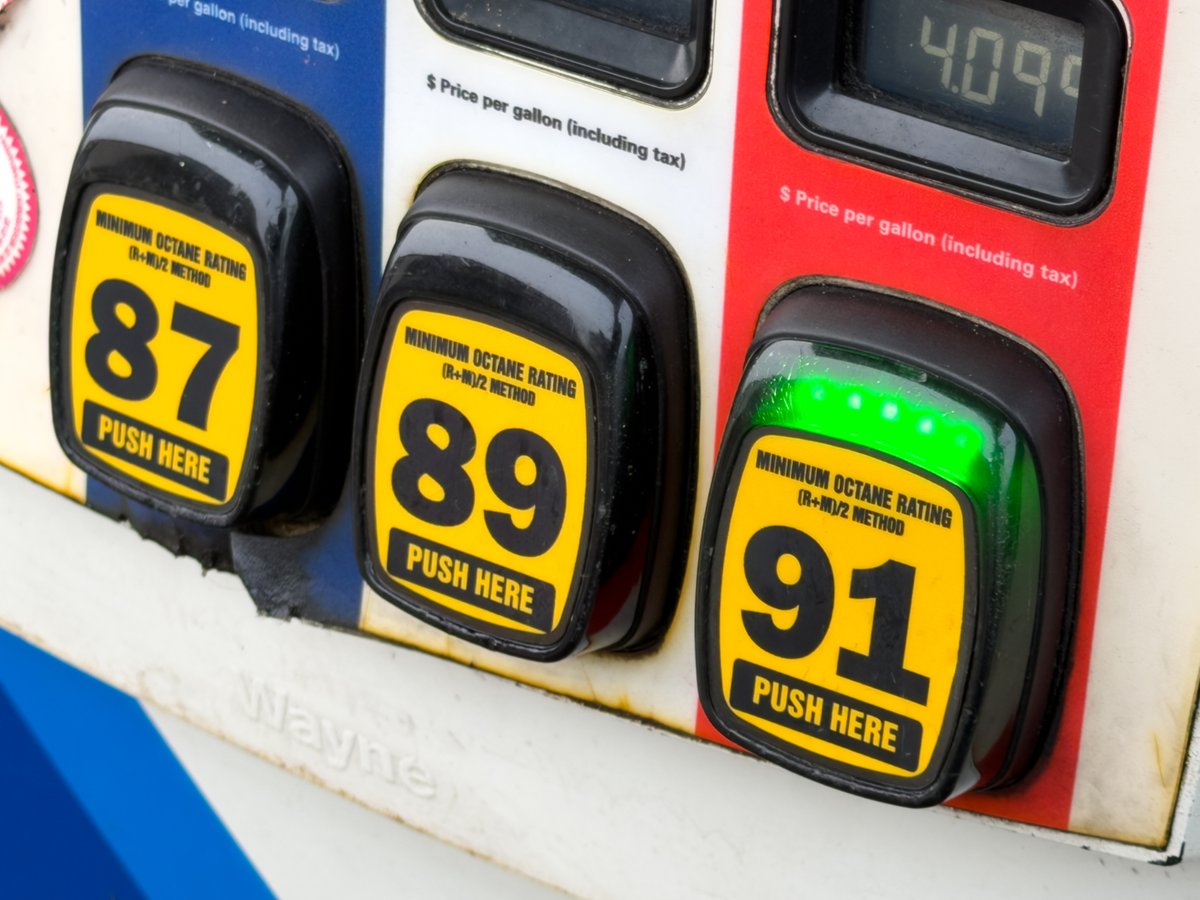
The U.S. war with Iran has raised fossil fuel prices so much that the resulting drop in oil demand has put the world on track to see a rare dip in carbon emissions from these sources in 2026.
Between 2019 and 2025, carbon dioxide emissions from fossil fuels grew by about 0.8 percent annually, according to a new study published in Nature Climate Change. But 2026 is set to buck that trend: high oil prices, as well as the continued rise of green technology—solar power, wind and electric cars—will cause a “short-term” 0.4 percent drop, according to the study.
“The high petrol prices following the war in Iran are reducing oil use and keeping emissions low,” says the study’s lead author Corinne Le Quéré, a professor of climate change science at the University of East Anglia in England. “But that’s not the whole story: The expansion of renewable energy has progressed a lot in recent years, led by China. And [along with electric vehicles], this is offsetting two thirds of the growing demand for energy.”
With all sources of carbon considered, including deforestation, total global CO2 emissions are set to continue increasing.
I hope that for you too. Luckily, I live near very good public trans, so for me, an e-scooter’s really all I need.
I mean we as a society have to ask, would we accept this level of insane fluctuation from anything else we buy? If you went to the store one day and bread was $2 bux a loaf, then you go again 3 days later and its $17, then a few days later is $9… Society would collectively say get your shit together on pricing! And we’d never buy bread again.
Well now Im never buying gas again. And its their own fault.
Fuel prices went up a lot but the price swings are still nowhere near the example prices you gave there…
It went from 1,5 - 1,6 € per litre to about 2,5 € per litre here, not from 1,5 to 9. And the changes are happening, people are buying more electric cars and home batteries+solar is growing very rapidly… So no, people are not accepting it, despite the price increase still being manageable (and price still being rather steady, it basically just swung up quickly at the Iran fiasco and then plateau there)
It’s a nice thought, but presumably (based on geography) you might be able to live with lower gas consumption. At least here in the US, it’s wholly possible that you only have one place to acquire groceries where you live.
Well that’s a double edged sword. There’s so much fluctuation in part because it’s such a ubiquitous commodity, availability is high and margins are low.
If branding mattered more (like with groceries) then prices would be more stable (but higher).
But as it is, nobody cares that much what brand of gas they get, it’s just gas. A name brand can’t demand a higher price just because it’s a name brand, nobody cares.
I mean, prices at the pump aren’t fluctuating that much, but I do get your meaning. That said, in general people don’t really have much of a choice when it comes to food, we have to eat. I mean, do you remember how eggs surged in price during the pandemic years? People still bought them, it just sucked. Oh we complained about it alright! But we as a society didn’t do anything