

- cross-posted to:
- aboringdystopia@lemmy.world
- cross-posted to:
- aboringdystopia@lemmy.world
cross-posted from: https://lemmy.world/post/54245880
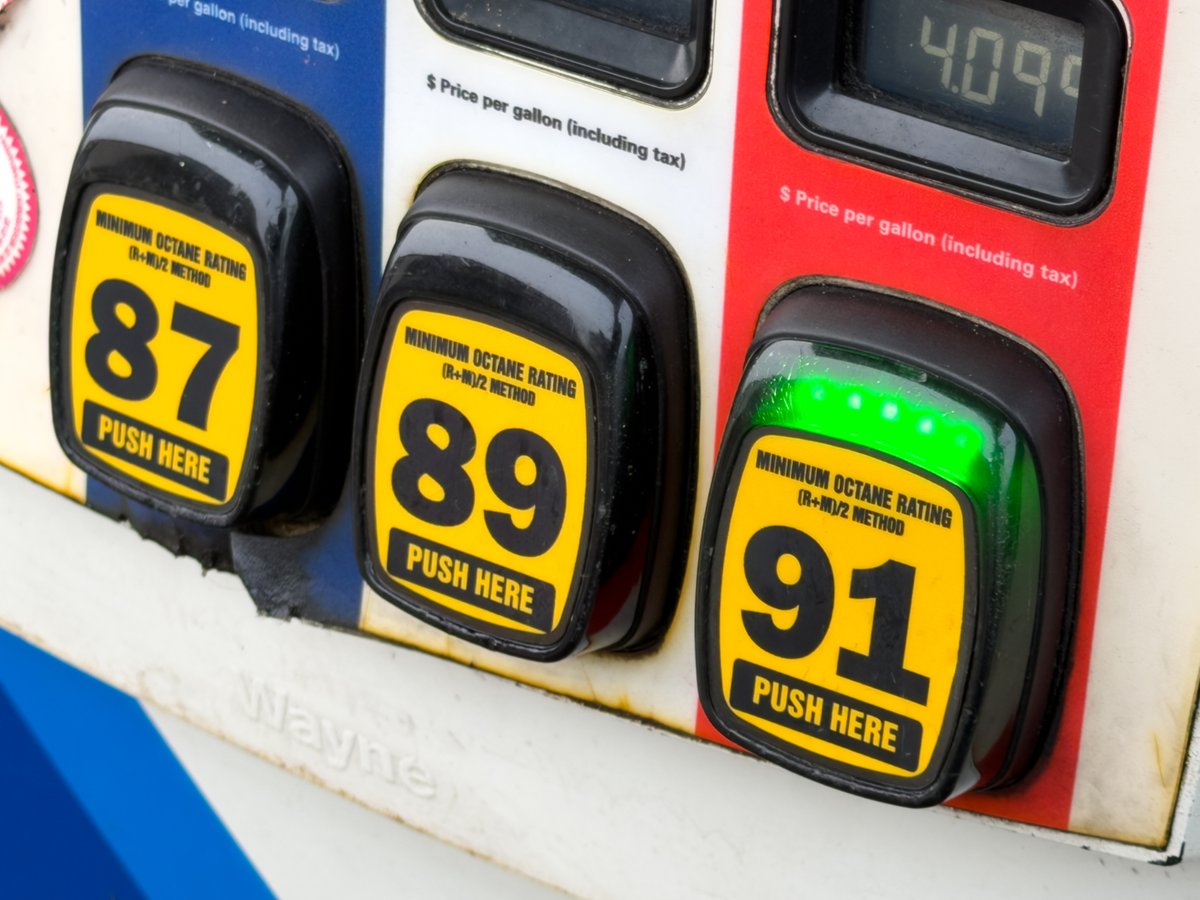
The U.S. war with Iran has raised fossil fuel prices so much that the resulting drop in oil demand has put the world on track to see a rare dip in carbon emissions from these sources in 2026.
Between 2019 and 2025, carbon dioxide emissions from fossil fuels grew by about 0.8 percent annually, according to a new study published in Nature Climate Change. But 2026 is set to buck that trend: high oil prices, as well as the continued rise of green technology—solar power, wind and electric cars—will cause a “short-term” 0.4 percent drop, according to the study.
“The high petrol prices following the war in Iran are reducing oil use and keeping emissions low,” says the study’s lead author Corinne Le Quéré, a professor of climate change science at the University of East Anglia in England. “But that’s not the whole story: The expansion of renewable energy has progressed a lot in recent years, led by China. And [along with electric vehicles], this is offsetting two thirds of the growing demand for energy.”
With all sources of carbon considered, including deforestation, total global CO2 emissions are set to continue increasing.
For a large number of uses we already have alternatives. They’re just being actively fought by the wealthy as it doesn’t maximize their profit.
For power grids sodium batteries and solar are viable. For transport we could focus on much more efficient systems than long haul trucking, such as electrified rail. For many manufactured items we simply don’t need them or can replace the oil used with other things, but again doesn’t maximize profit