
- cross-posted to:
- science@lemmy.world
- cross-posted to:
- science@lemmy.world
You must log in or register to comment.
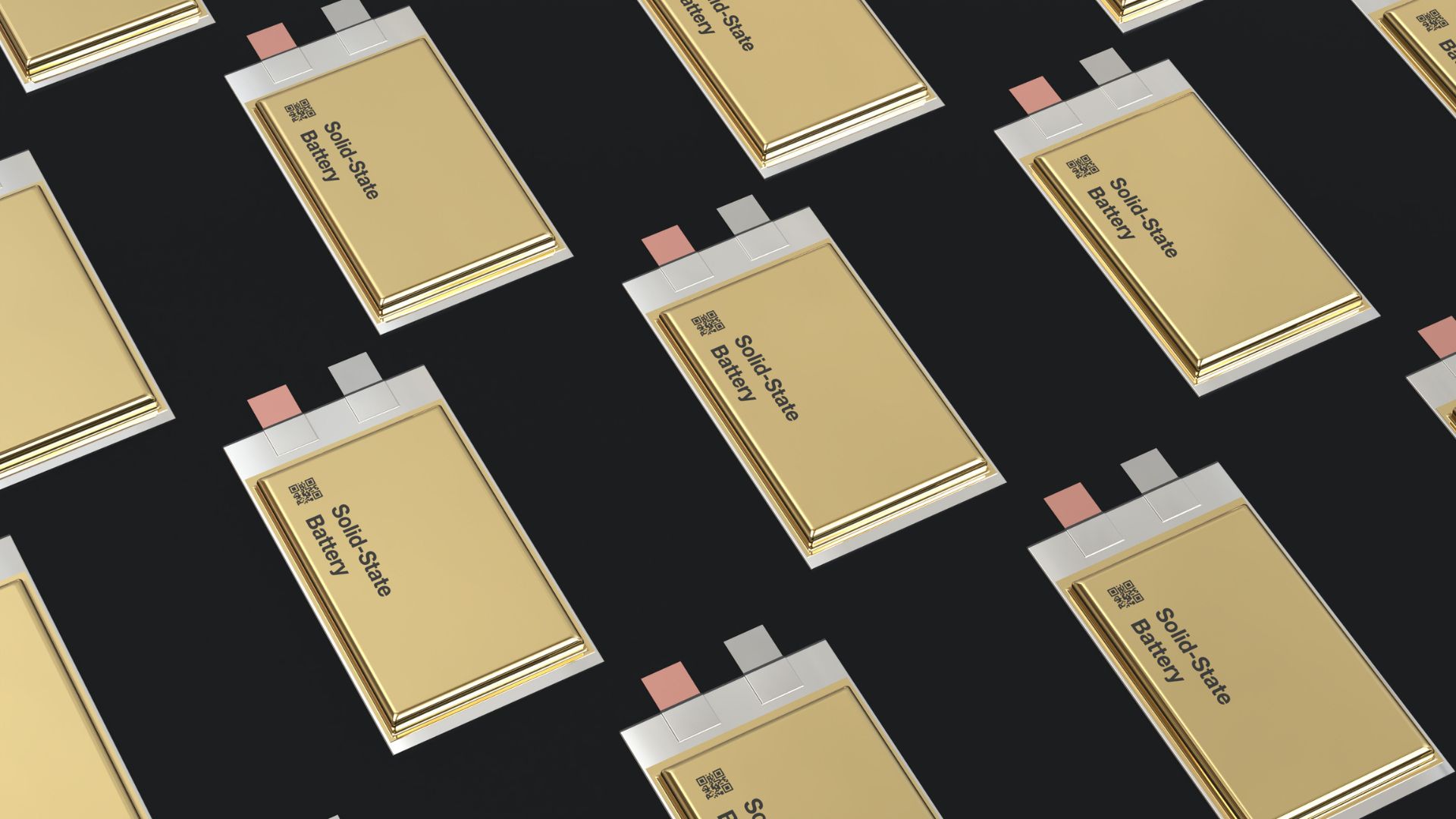
What are non-solid state batteries up to, in Wh/kg? Because my car with an 82 kWh battery would need about 215+ kg to reach the same charge with a solid state battery.
https://en.wikipedia.org/wiki/Watt-hour_per_kilogram
About 350 it seems. There is a typical value section
That’s pretty great, for the solid state battery then. Looked it up and it seems like the battery weighs about 500 kg in my car. Very significant change down to only 215–216 kg.
not only added range, but think of the even more fun with even better acceleration 😁
Blast past these stupid ass BMWs who think they own the road.
Tesla is the new BMW
Never had much problems with Teslas in my country. BMWs, Audis, and lately Volvos have been the reckless (speeding) drivers.
I myself drive a Volvo, and I think that’s why I’ve started noticing more and more Volvos, and being surprised by their frequent recklessness.
Drivers of older BMWs and Audis have had a bad reputation for being reckless drivers in my country for at least the last 30 years. Volvo, that’s a new one for me.
260 Wh/kg in a good modern battery.
But the reality of SSBs needs to be verified, there already have been scams.
scams or definition issues. There was a bunch of stuff of what made it solid state percentage wise and if only one part needed to be it. Granted I do think it should not have liquid components if its going to be called solid state.
Looking forward to similar discoveries in the sodium ion batteries.
These numbers are cool, and we may never see them that high with sodium, but we really need to get them to the level when we could use them in things like powerbanks and electric vehicles, and not just grid-scale storage.
We must pivot away from lithium, it is not sustainable.
Of course it is. It’s not rare and can be recycled.
Lithium is relatively rare, and very environmentally damaging to mine. Recycling is absolutely a must, but, as with any recycling, the recovery is not 100%. Of course, greater harm comes with large-scale applications like cars (lithium batteries are part of why electric cars are NOT eco-friendly vehicles they’re often advertised to be) and home/grid power storage, but reducing the harm where possible is essential.
Sodium is obviously hugely abundant and we already have relatively eco-friendly salt mining for many centuries.
“relatively” does a lot of work here. Lithium is not going to be a scarce ressource any time soon: https://pubs.usgs.gov/periodicals/mcs2025/mcs2025-lithium.pdf
TIL.
Thanks for sharing!
Environmental point still stands, though: https://en.wikipedia.org/wiki/Environmental_impacts_of_lithium-ion_batteries
Absolutely, I only commented on the scarcity aspect.
The local pollutions of mining is a subject I never dived enough into and I wonder how much of it is really necessary and how much hinges on the fact that you always go to the lowest bidder who is often the one with the lowest environmental regulations.
Minerals are very fungible. Even if it is possible to mine one in an environmentally friendly way, in a socially acceptable manner, the person undercutting you by 10% by using slavery and dumping toxic waste in the environment is going to win.
When I started looking into that, I realized that this was much more than a simple technical and environmental discussion but a broader criticism of the global trade system.
Also true, and actually greatly applicable to lithium mining. There are ways to make it greener, they are just more expensive and thereby less competitive.