If you’re thinking that means government run grocery stores are unrealistic keep in mind that they already exist for the military. They’re called commissaries and they sell groceries for significantly cheaper prices than private grocery stores, but they are open only to service-members and their families. We are perfectly capable of providing robust social services, but the state wants to keep it exclusive so they have an incentive for people living in poverty to join the military.
It mostly means government run doesn’t necessarily mean cheaper.
Grocery chains have huge economies of scale and sophisticated automated management of stocks, ordering, deliveries driving costs down.
A handful of government shops will likely have more overhead costs and inefficiencies than for example ALDI.
I’m not against government run shops or serving underserved communities at all. However the government doing it doesn’t mean it’s cheaper overall.
Also keep mind that some of the underserved areas have high crime rates, which is one reason for commercial business to stay away. A government run grocery store would likely need to also pay for extra security measures or guards.
US military commissaries are also cheaper because there‘s no sales tax. Of course the scale also help. Do you know if military commissaries operate at a loss or break even?
This video by More Perfect Union talks about them at length. If I remember right, it is literally required by law to be cheaper overall (25% savings across the board) with a default pricing of cost plus 1% and a variable pricing model where common staples like eggs and milk are sold at a loss and it’s made up for on more niche items. They’re tax-subsidized through the military, and it’s an incredibly tiny portion of the budget. Some locations operate at a loss but they’re not allowed to close any stores so that’s why they need the subsidies.
So in short, yes, government run shops are cheaper because they’re tax-subsidized, and are not required to profit or even break even. Personally I don’t see any problem with government operating grocery stores at a loss to provide the working class with affordable groceries and having the rich foot the bill. In fact, I’d say that’s the whole point.

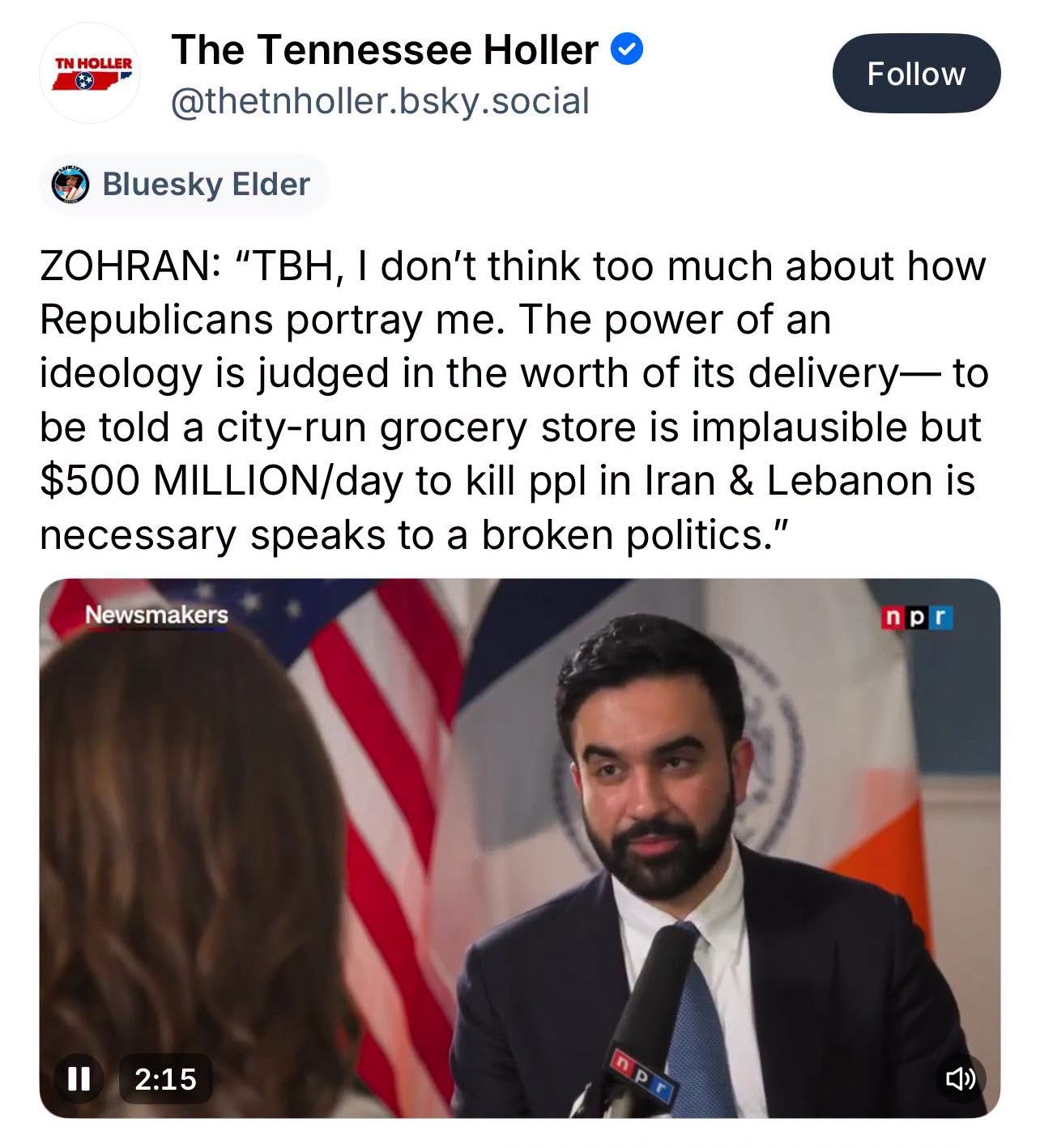
Groceries are a low margin business.
More reason to remove drain revenue.
If you’re thinking that means government run grocery stores are unrealistic keep in mind that they already exist for the military. They’re called commissaries and they sell groceries for significantly cheaper prices than private grocery stores, but they are open only to service-members and their families. We are perfectly capable of providing robust social services, but the state wants to keep it exclusive so they have an incentive for people living in poverty to join the military.
It mostly means government run doesn’t necessarily mean cheaper.
Grocery chains have huge economies of scale and sophisticated automated management of stocks, ordering, deliveries driving costs down.
A handful of government shops will likely have more overhead costs and inefficiencies than for example ALDI.
I’m not against government run shops or serving underserved communities at all. However the government doing it doesn’t mean it’s cheaper overall.
Also keep mind that some of the underserved areas have high crime rates, which is one reason for commercial business to stay away. A government run grocery store would likely need to also pay for extra security measures or guards.
US military commissaries are also cheaper because there‘s no sales tax. Of course the scale also help. Do you know if military commissaries operate at a loss or break even?
This video by More Perfect Union talks about them at length. If I remember right, it is literally required by law to be cheaper overall (25% savings across the board) with a default pricing of cost plus 1% and a variable pricing model where common staples like eggs and milk are sold at a loss and it’s made up for on more niche items. They’re tax-subsidized through the military, and it’s an incredibly tiny portion of the budget. Some locations operate at a loss but they’re not allowed to close any stores so that’s why they need the subsidies.
So in short, yes, government run shops are cheaper because they’re tax-subsidized, and are not required to profit or even break even. Personally I don’t see any problem with government operating grocery stores at a loss to provide the working class with affordable groceries and having the rich foot the bill. In fact, I’d say that’s the whole point.
Sounds sensible
Sounds like a good argument for more government run grocery stores.
We’ve seen that in a lot of cases, corporate-run means not present at all.
Ah, the Mossad shill at it again…